What is a Catan board generator?
A Catan board generator lays out terrain and number tokens so you do not have to shuffle everything by hand. Whether you want the official beginner island, a completely random map, or a calmer fair setup where red numbers never touch, you get a picture of the board in a few seconds.
Why use a fair or random layout?
The rulebook’s variable setup can still place two hot numbers side by side. Many groups prefer house rules that keep 6 and 8 apart. Fair mode does that for you, with optional extras like blocking identical numbers or matching terrain on neighboring hexes. Tournament mode turns all of those stricter checks on at once. Random mode skips the rules for a wild card table.
How to use this page
- Pick how many people are playing — 3 through 6.
- Choose a mode — Fair, Random, Beginner, or Tournament.
- Pick base or extension board — 19 hexes or the larger 30-hex island.
- Generate — the preview updates instantly.
- Share the layout — tap Share to copy a link with this exact island; the address bar stays on the plain home page unless you opened a shared link.
Modes at a glance
Each mode targets a different kind of game night. Beginner loads a fixed teaching island so new players learn turns instead of arguing about the shuffle—open it with beginner mode. Fair is the everyday default for three- to six-player tables: sixes and eights stay apart, and you can tighten optional neighbor checks when your group likes calmer maps (fair mode). Tournament enforces the full strict bundle automatically for club nights and living-room leagues (tournament mode). Random ignores fairness rules when chaos is part of the fun (random mode).
Player-count shortcuts keep the right footprint selected: three-player fair, four-player fair, five-player extension, and six-player extension. Use the base nineteen-hex island for three or four seats; switch to the thirty-hex extension board whenever a fifth or sixth color joins.
When to choose fair versus random
Choose fair when you want skill, trading, and timing to matter more than who sat next to a double-red mountain. Fair layouts are especially helpful for teaches, rematches after a brutal random night, and any table that has complained “the map decided it.” Choose tournament when multiple tables should feel comparable—or when your group already agrees on “no identical numbers or terrain touching.” Choose random for party energy, charity chaos nights, or groups that explicitly enjoy wild spikes and funny coasts.
Fair does not mean equal income. Dice still swing. It means the island itself is less likely to hand one corner an obvious monopoly before anyone places a road. If two fair candidates both look fine, prefer the one with healthier ore, grain, and brick spread and harbors that match at least a couple of strong numbers. Deeper checklist ideas live in the balanced board guide.
Sharing so every seat matches
After you like a preview, tap Share to copy a link that encodes this exact island. Paste it into the group chat so phones and laptops show the same terrain and numbers while you build the physical board. That habit kills the “which forest had the nine?” argument and makes multi-table club nights much easier—one generate, many copies.
The address bar on a normal visit stays on the plain home page unless you opened a shared link. Generate as many times as you want locally, then share only the keeper. Large thirty-hex extension maps benefit most from link sharing because hand-copying thirty tiles invites mistakes.
Balance score
After each roll you will see a simple balance score from 1–10. It nudges down when very high rolls sit next to each other, when identical numbers touch, or when the same terrain clusters. It is a quick read on how “spiky” the island feels—not an official tournament certification. Discard obvious lows, then pick among high scorers with a human eye for ports and scarce resources.
Tile counts (base game)
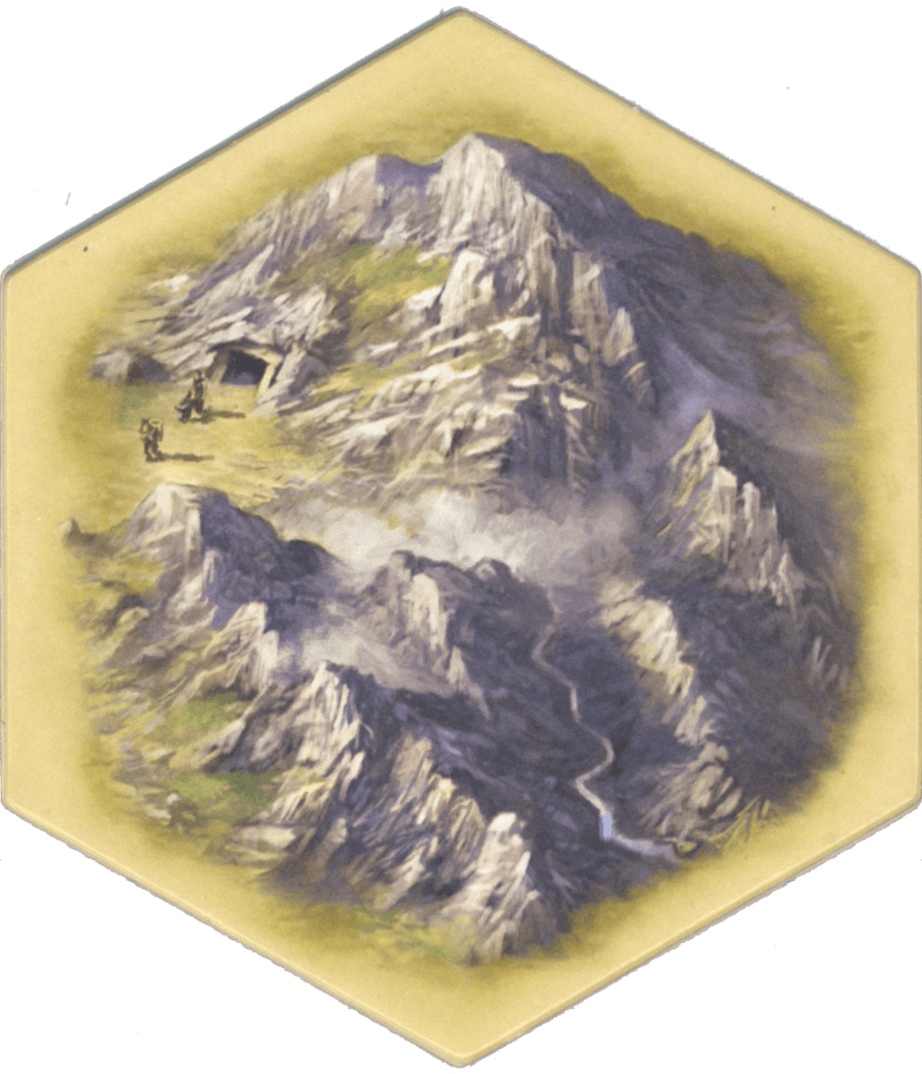
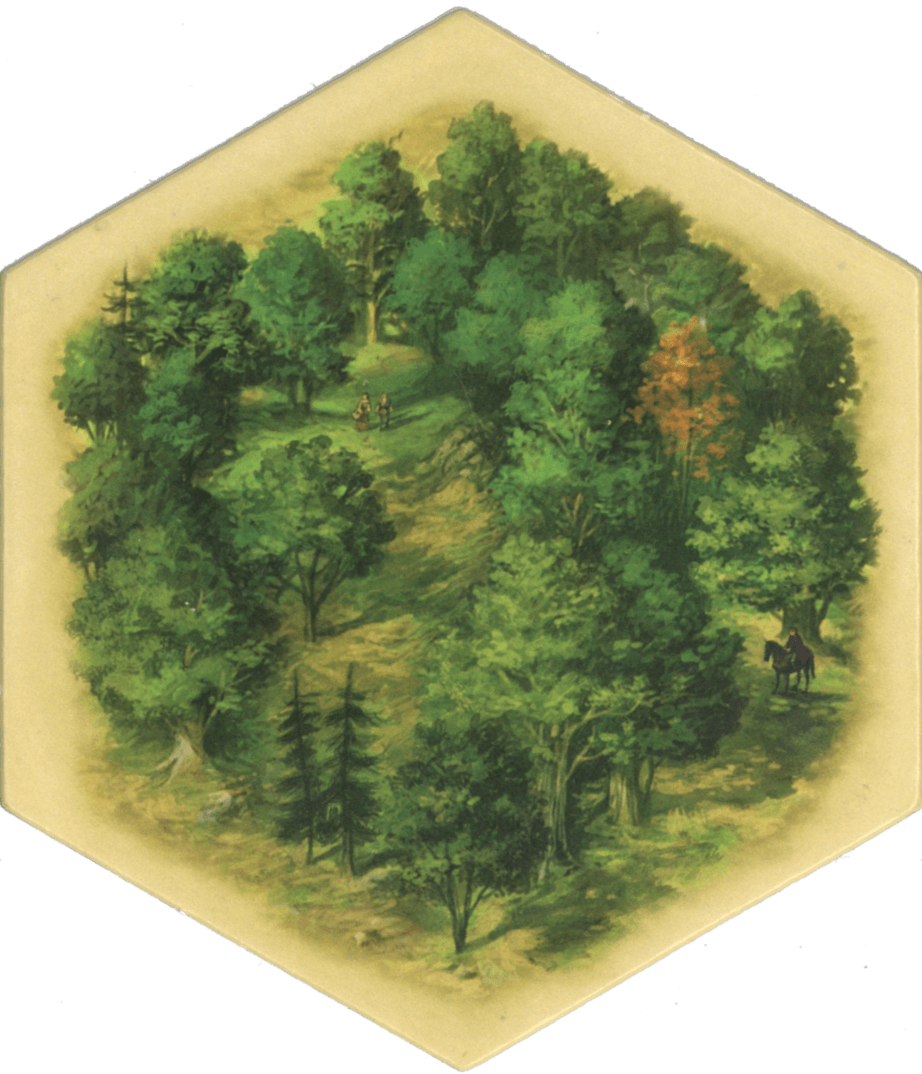
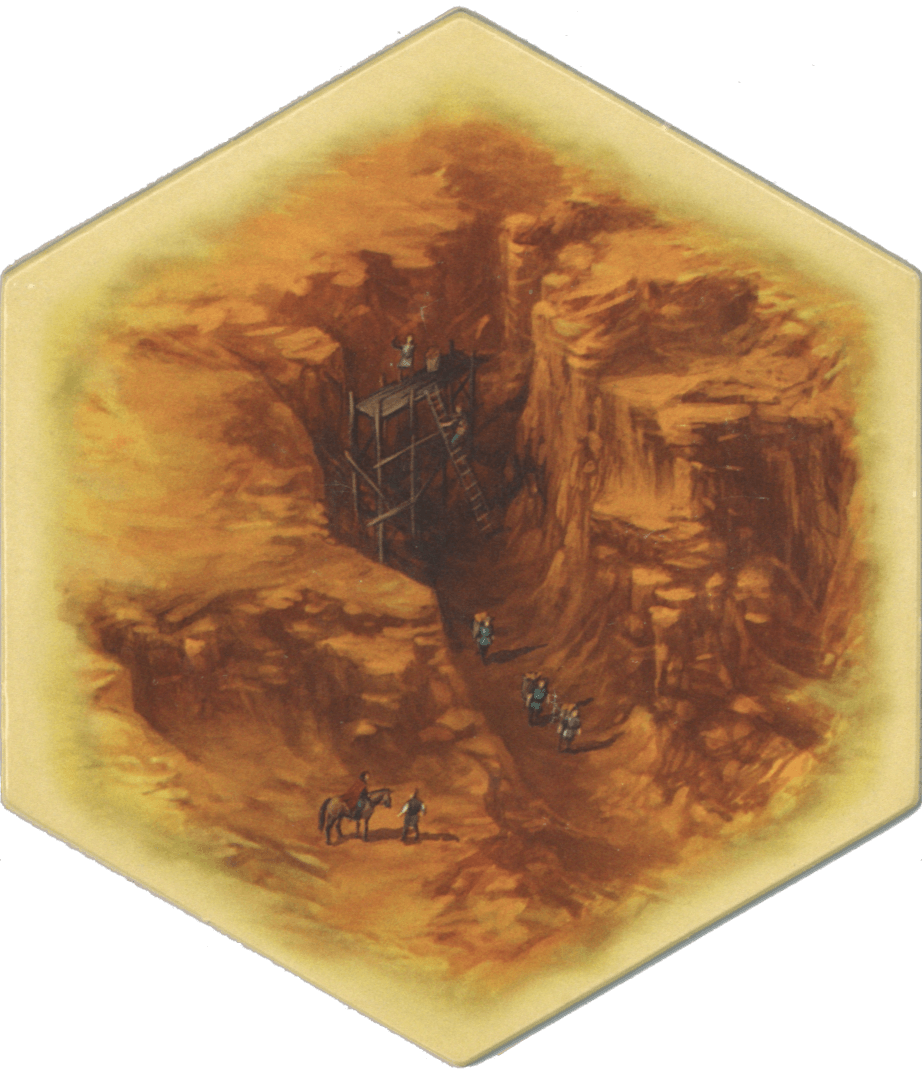
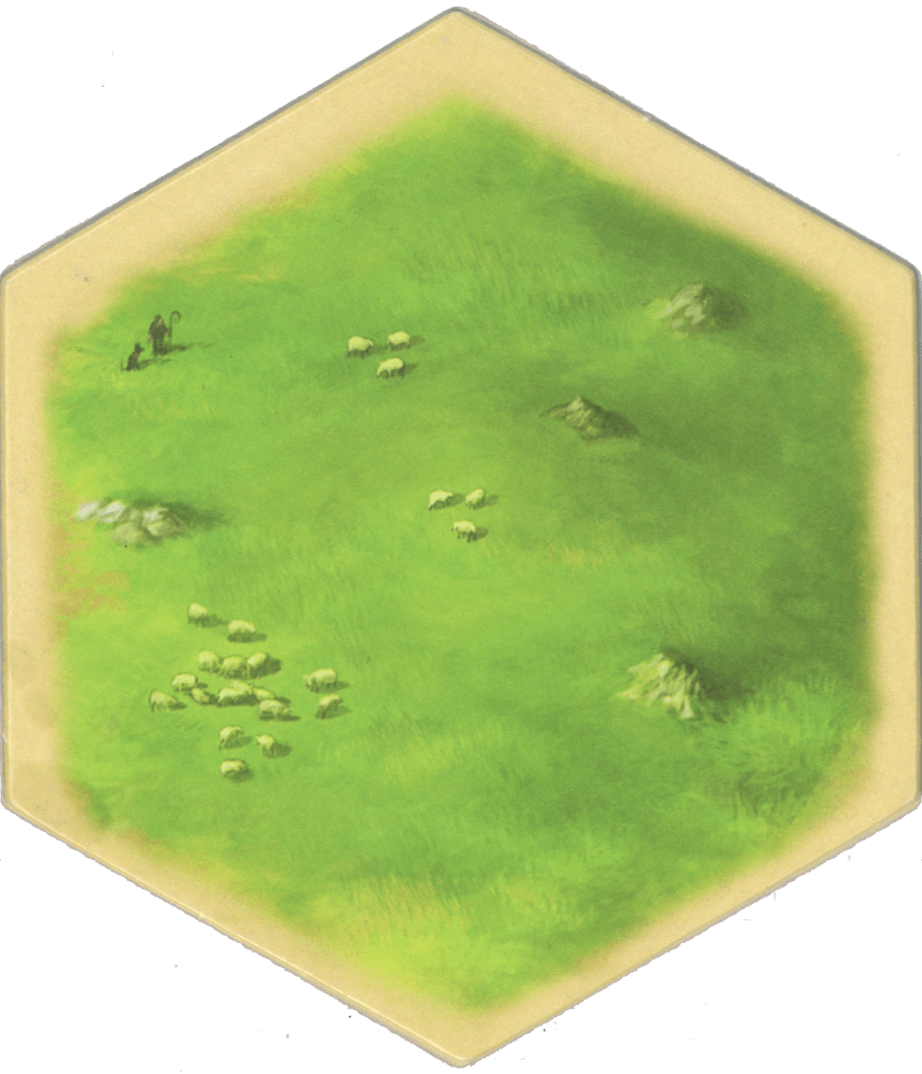
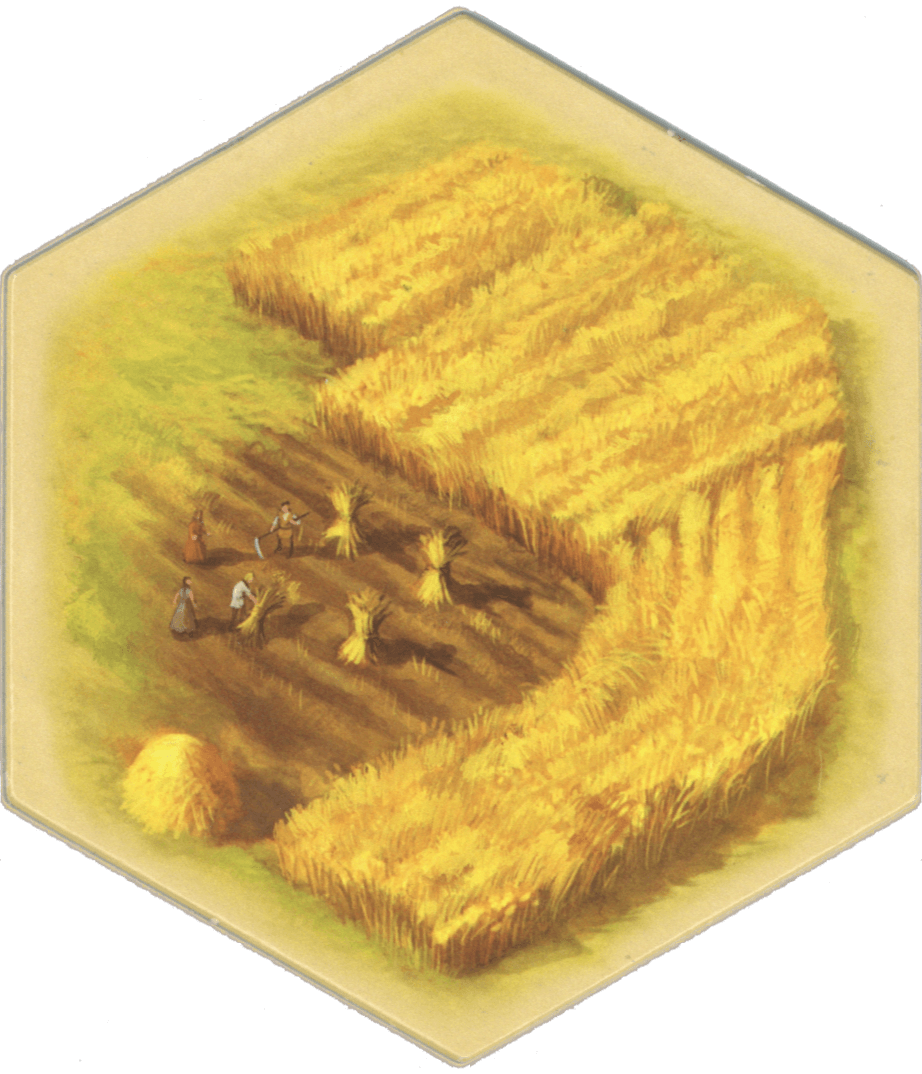
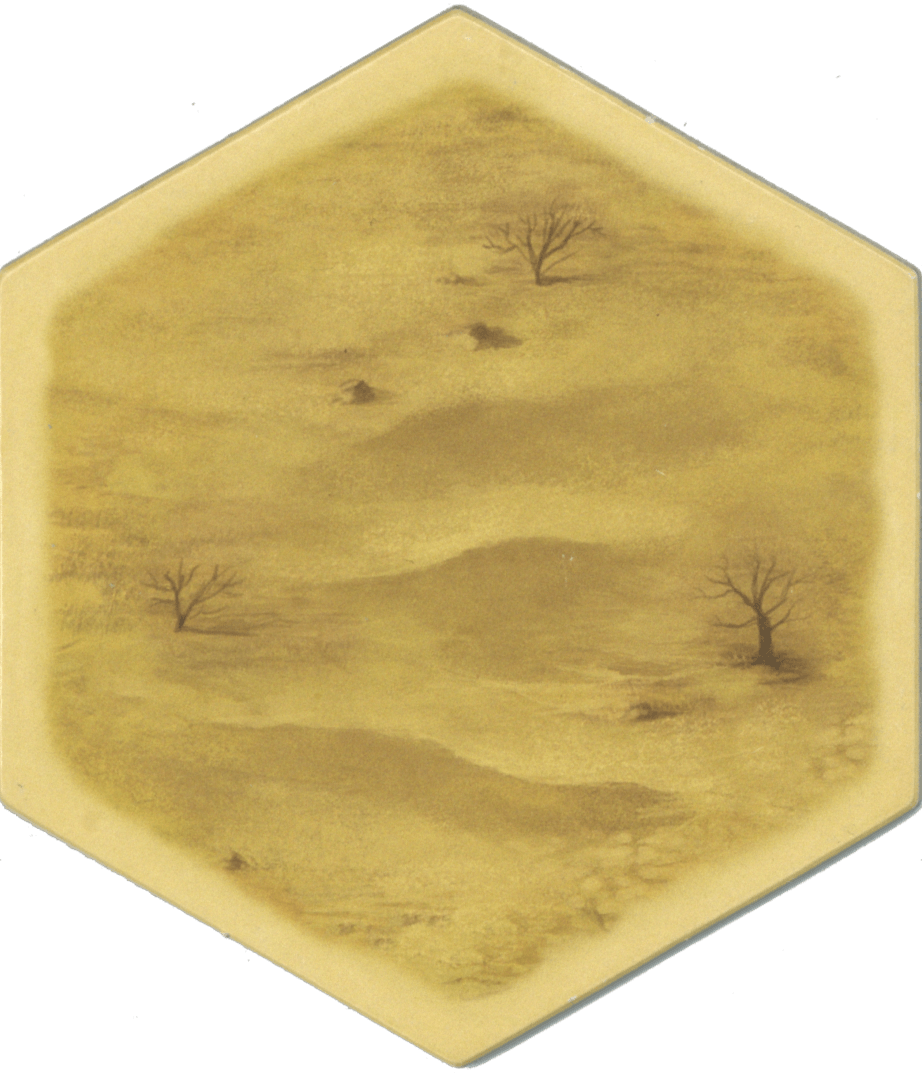
The classic island uses nineteen terrain hexes and eighteen number chits. Deserts never get a production number. The extension adds more hills, forests, fields, pastures, mountains, a second desert, and the extra chits that ship in that box. For extension habits and the Special Building Phase, see the 5–6 player expansion page.